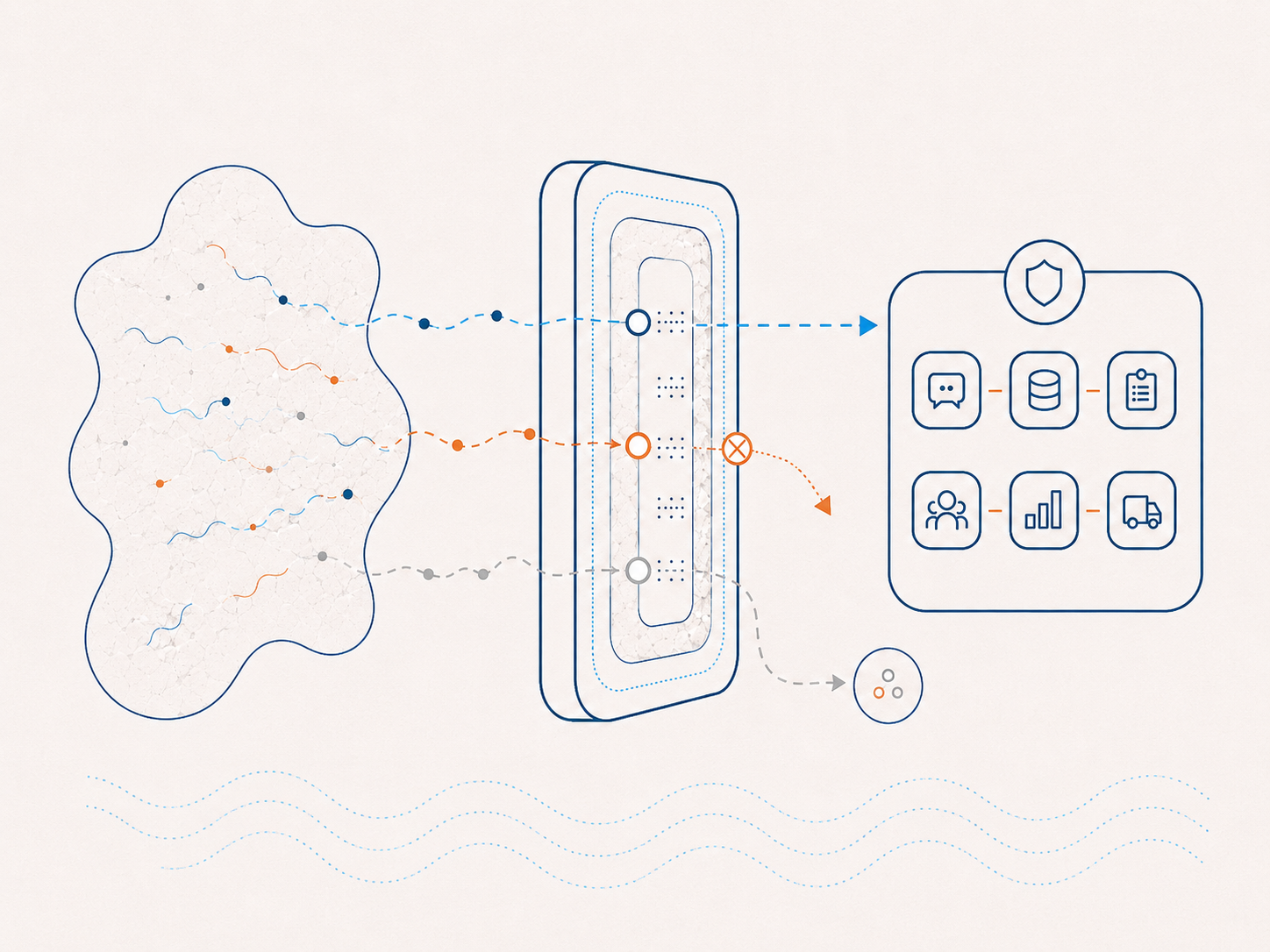
The Anticorruption Layer Contains, It Does Not Cure
The industry's answer to a language model deciding things it should not is to wrap it in deterministic guardrails. That answers the second question and skips the first: which decisions are allowed across the boundary at all. This post takes Conformist and the Anticorruption Layer, rereads them for an upstream that brings no language, drifts instead of breaking, and will not take your call, and turns the conform, wrap, refuse choice into something you can act on, including why the layer contains the coupling but cannot remove it.
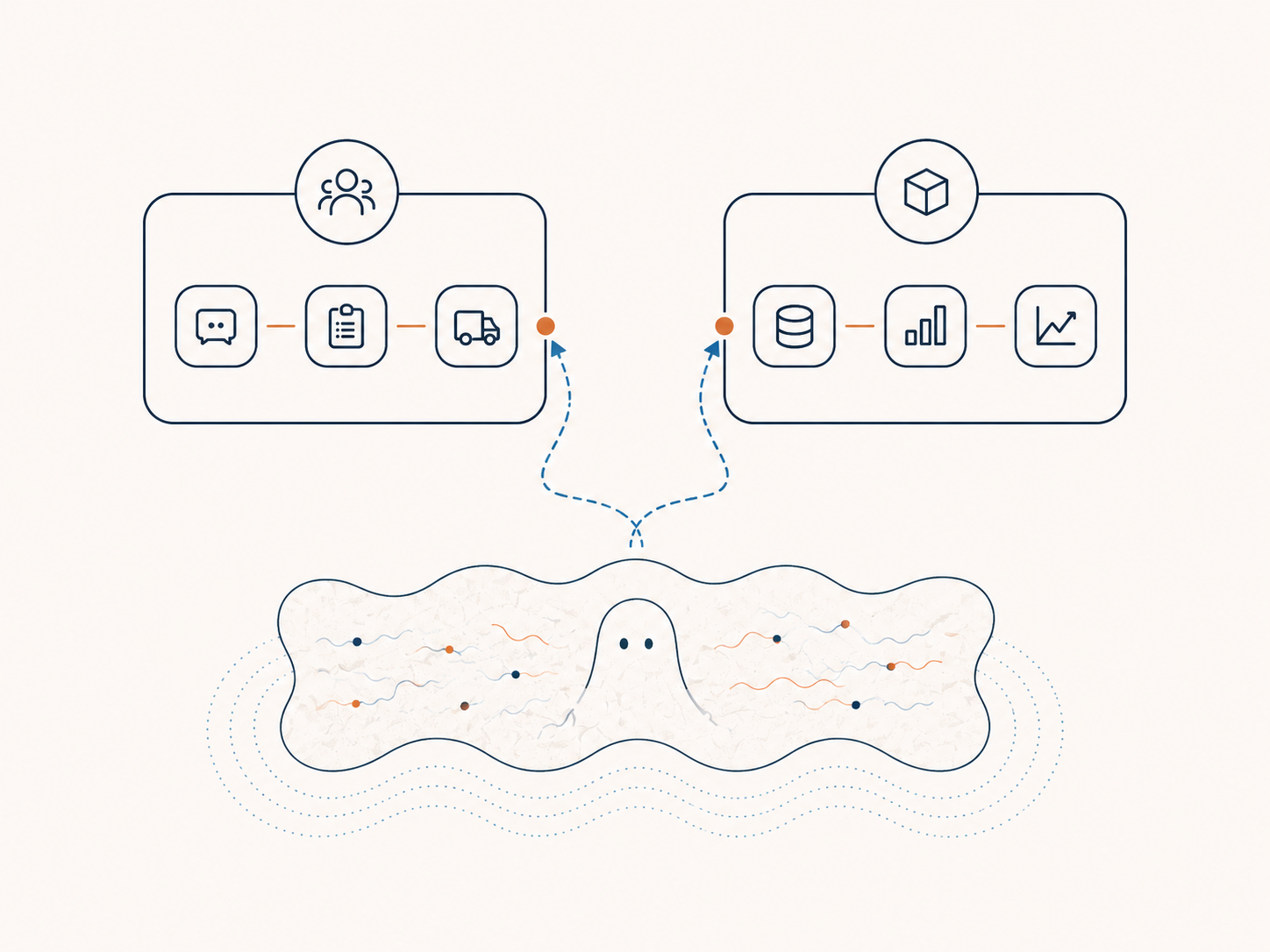
Ghost Ownership: You Own the Capability, Not the Decision
A team can own an AI capability and still not own the decisions made inside it. As language models move from completing code to shaping the ubiquitous language, a meaningful share of a team's domain model decisions can be quietly made by an upstream the Context Map never draws. This post proposes a name for that blind spot, ghost ownership, separates it from Conformist, Shared Kernel, and Partnership, and offers a heuristic for how much of it each subdomain can afford.
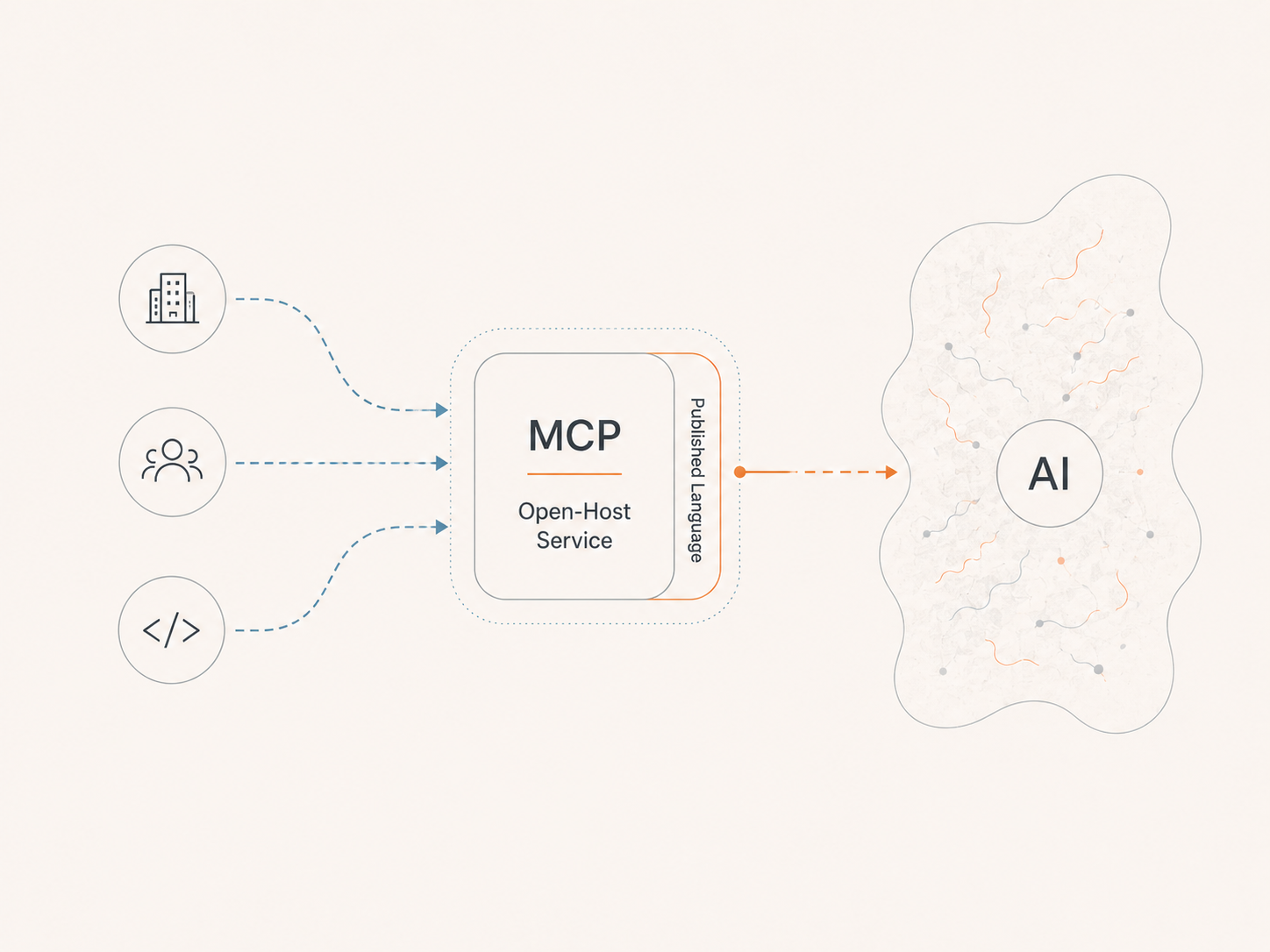
The Published Language an LLM Cannot Give You
A raw language model cannot give you a Published Language, because it cannot enter an agreement. It can answer in natural language structured by nobody, different on every call, and that is precisely what makes it an upstream Big Ball of Mud on your Context Map. This first deep dive in the Context Maps in the Age of AI series works through what it takes to put a boundary in front of that model: why every MCP server is an Open-Host Service commitment, and why the schema you expose is only the beginning of the Published Language you actually need.
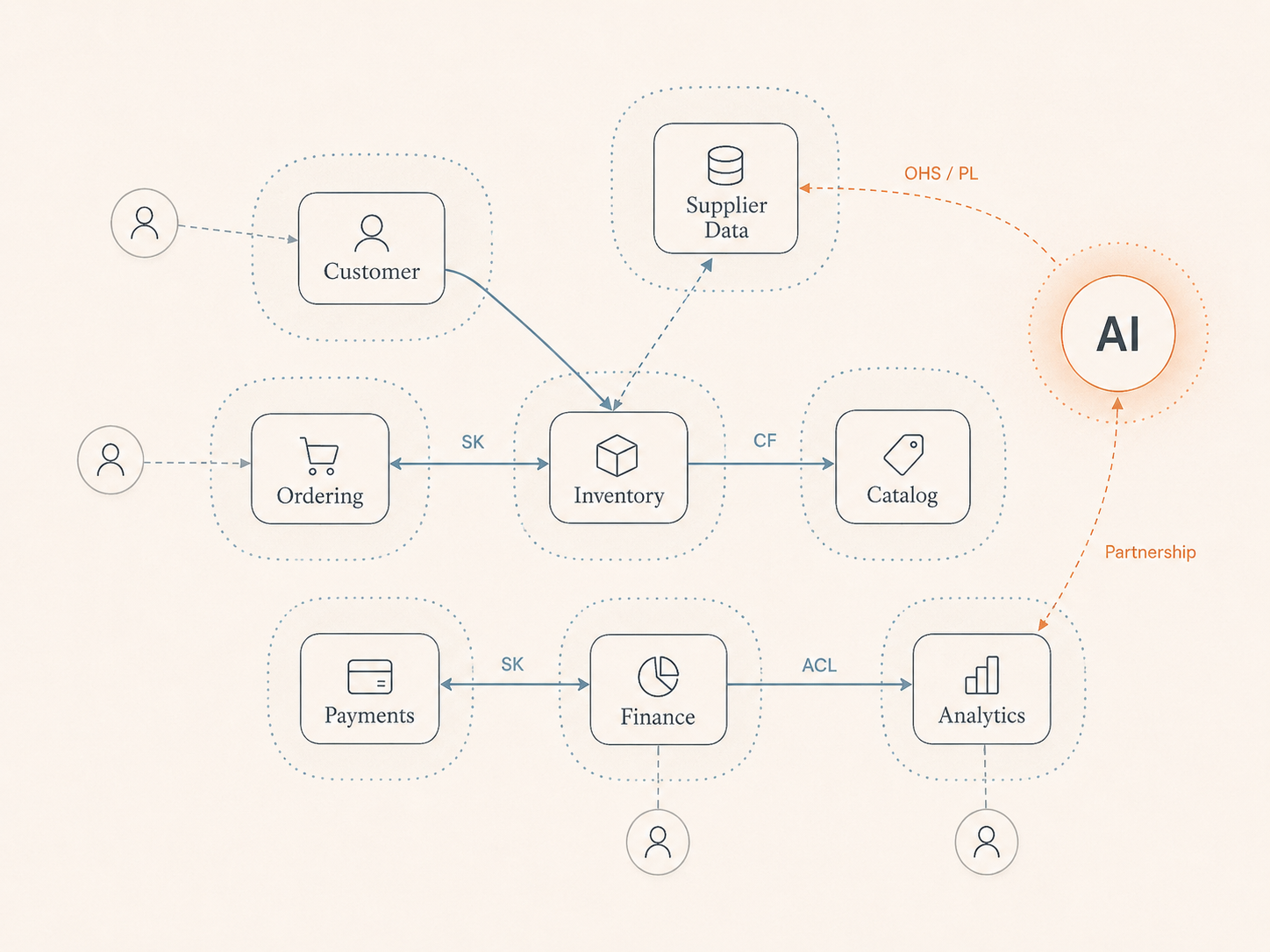
Context Maps in the Age of AI
Context Maps were never about IT systems alone. They were about sociotechnical systems: the teams, the politics, the influence between people who build models. AI introduces a new kind of actor to that picture, one that does not negotiate and drifts silently. This post opens a series that walks the whole Context Map catalog and asks, pattern by pattern, how they still hold up when a new actor is present.
Staffing and Procurement for Fast Flow
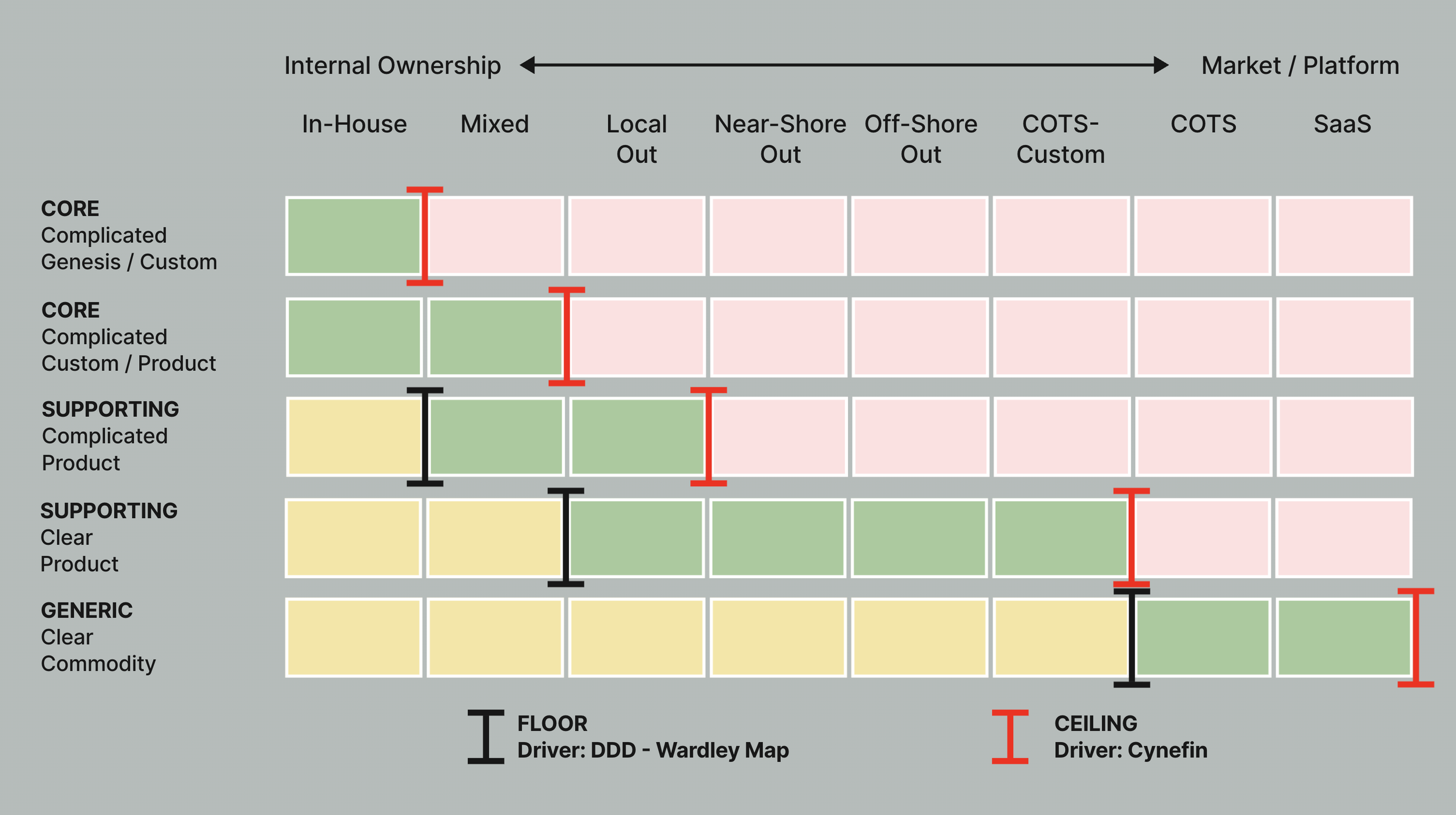
Architecture strategy and procurement strategy are made by different people, at different times, with different incentives and almost never in conversation with each other. The result is a systematic destruction of the conditions that fast flow requires. This post introduces a framework combining DDD, Cynefin, and Wardley Maps to make better sourcing decisions including what AI delegation changes about the picture in 2026.

Finding the Turning Points: Pivotal Events in Big Picture EventStorming
This post addresses the challenge of navigating the complexity of EventStorming workshops, specifically focusing on the identification of "Pivotal Events." It outlines a series of heuristics to help participants distinguish between routine events and those that represent significant business decisions, state changes, or downstream impacts. The article provides practical guidance for facilitating discussions and using these pivotal events to inform system design and domain understanding.