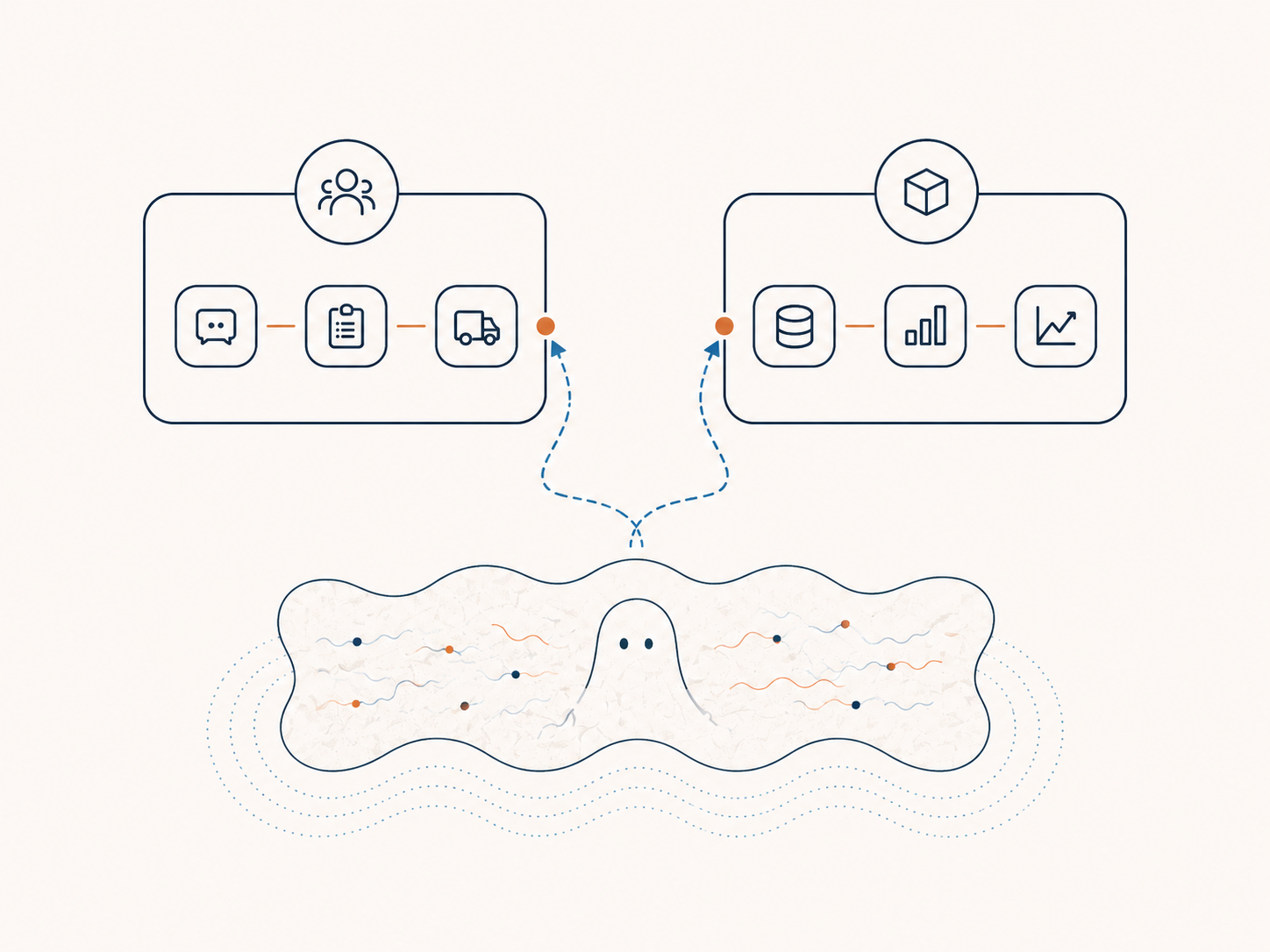
Ghost Ownership: You Own the Capability, Not the Decision
A team can own an AI capability and still not own the decisions made inside it. As language models move from completing code to shaping the ubiquitous language, a meaningful share of a team's domain model decisions can be quietly made by an upstream the Context Map never draws. This post proposes a name for that blind spot, ghost ownership, separates it from Conformist, Shared Kernel, and Partnership, and offers a heuristic for how much of it each subdomain can afford.
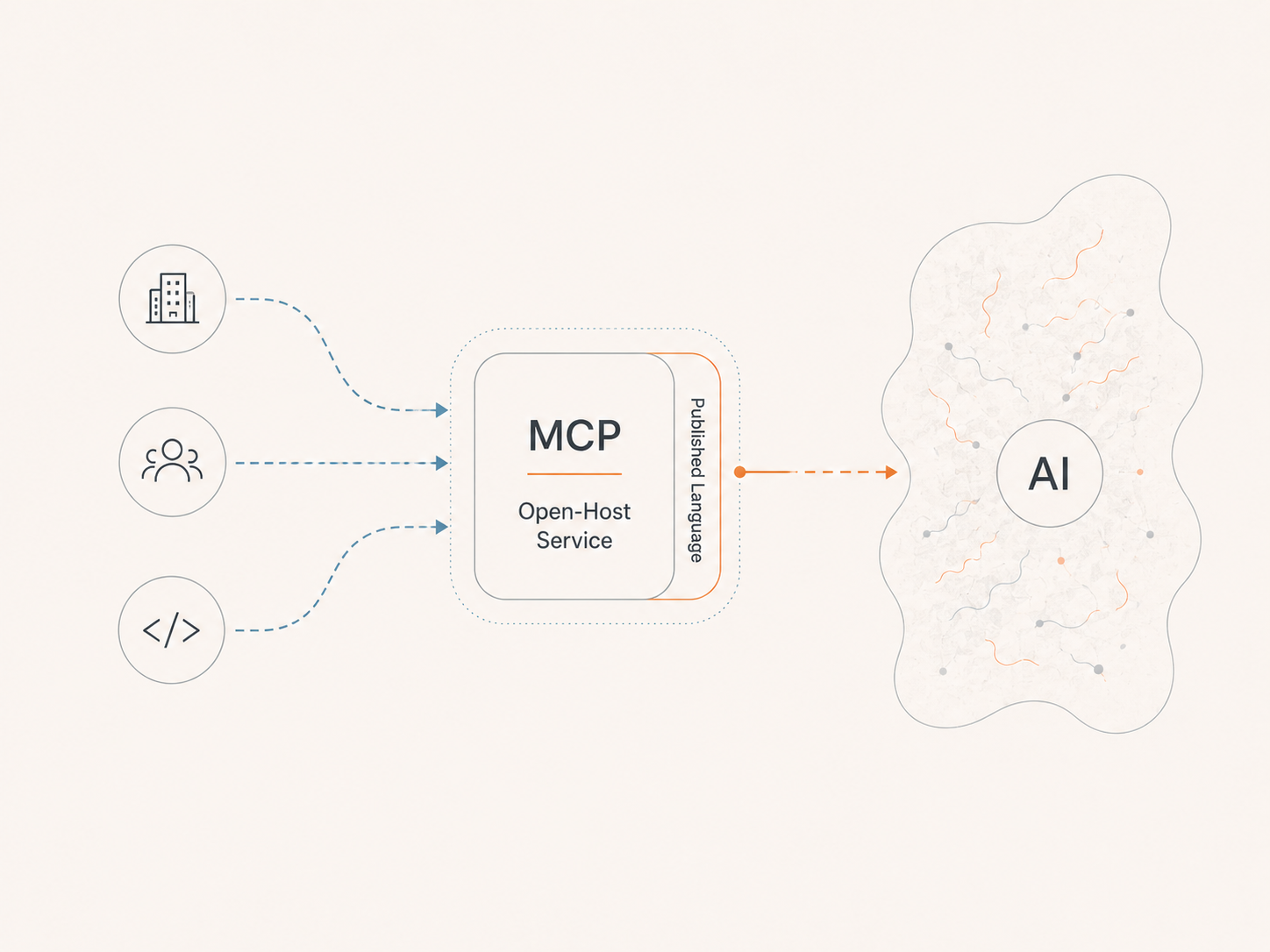
The Published Language an LLM Cannot Give You
A raw language model cannot give you a Published Language, because it cannot enter an agreement. It can answer in natural language structured by nobody, different on every call, and that is precisely what makes it an upstream Big Ball of Mud on your Context Map. This first deep dive in the Context Maps in the Age of AI series works through what it takes to put a boundary in front of that model: why every MCP server is an Open-Host Service commitment, and why the schema you expose is only the beginning of the Published Language you actually need.
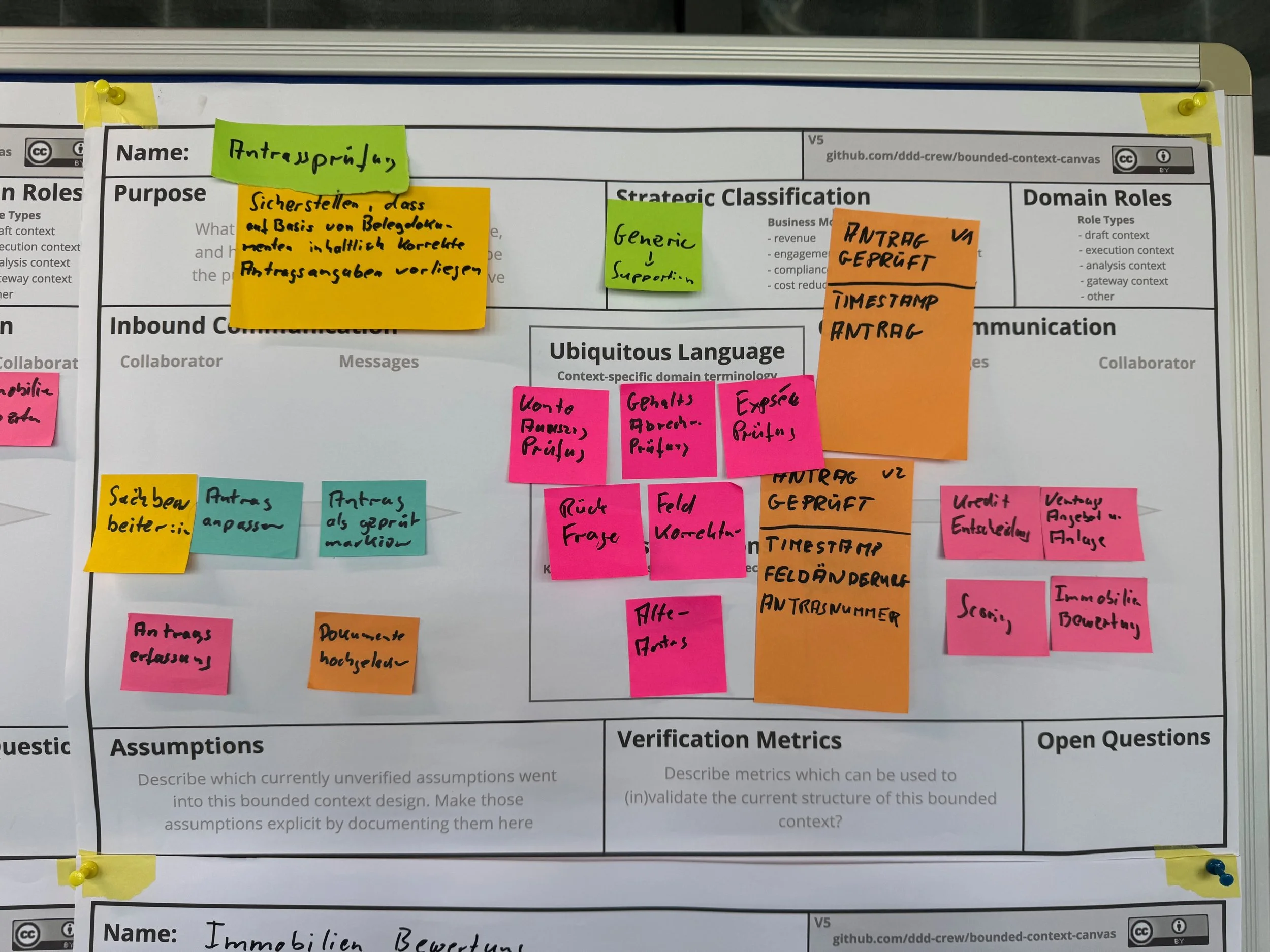
Bounded Contexts Are All About Cohesion
Bounded Contexts aren’t just about drawing boundaries, they’re about cohesion. This article explores how the classic idea of functional cohesion from the 1970s Structured Design paper connects directly to Domain-driven Design. By focusing on purpose as the organizing principle, we can design Bounded Contexts that form coherent, unified wholes, models that truly “stick together” in meaning, language, and intent.